
 When a Wentzville Garage Door Needs More Than a Quick Fix
Most Wentzville garage doors date to the 1978-2011 building boom, with builder-grade springs and openers that wear out fast in Missouri's cold winters.
When a Broken Spring Stops Being a Weekend Fix
A look at how Wentzville's 1978-2011 housing stock and cold winters turn a stuck or noisy garage door into a job that needs more than WD-40.
Local detail
When It Stops Being a DIY Job
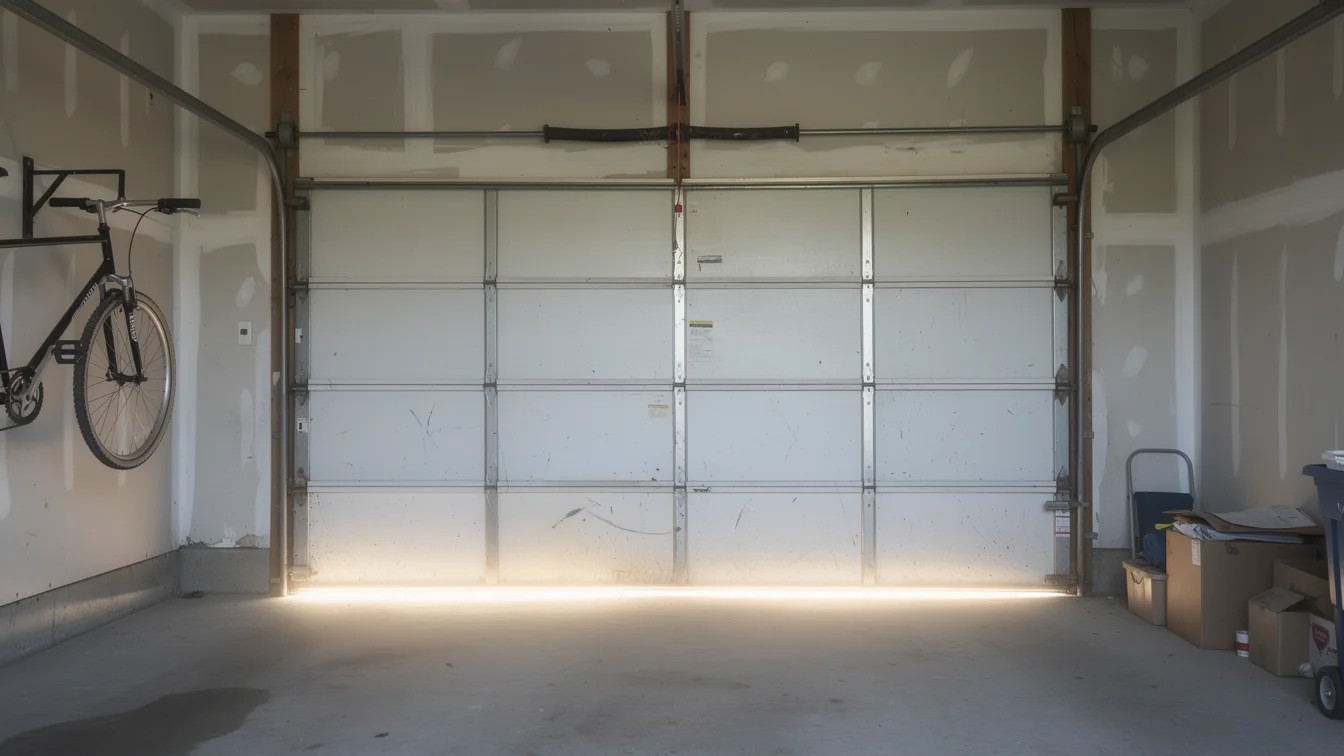
Most houses around Wentzville went up between 1978 and 2011, with the median build year landing around 1998. That matters more than it sounds like it should. A door and opener installed in a house built in the late 90s is now old enough that the torsion spring has done its lifetime cycle count, and the original rollers are usually nylon with steel bearings that have long since dried out. If your door is sagging on one side, or the opener strains and reverses partway up, you're not looking at a tightened bolt or a squirt of lubricant. You're looking at a spring near the end of its rated life, or a cable starting to fray on original hardware.
The DIY line is this: lubricating hinges, tightening loose bolts on the track, and clearing the photo-eye sensors is fine to do yourself. Replacing a torsion spring under tension is not, full stop, regardless of how many videos make it look easy. A spring under load that slips off a winding bar can break a hand or worse. If the door came with the house and you've never had the spring serviced, assume it's original and treat any new noise or new resistance as the spring telling you something, not the opener.
The area
The Situation
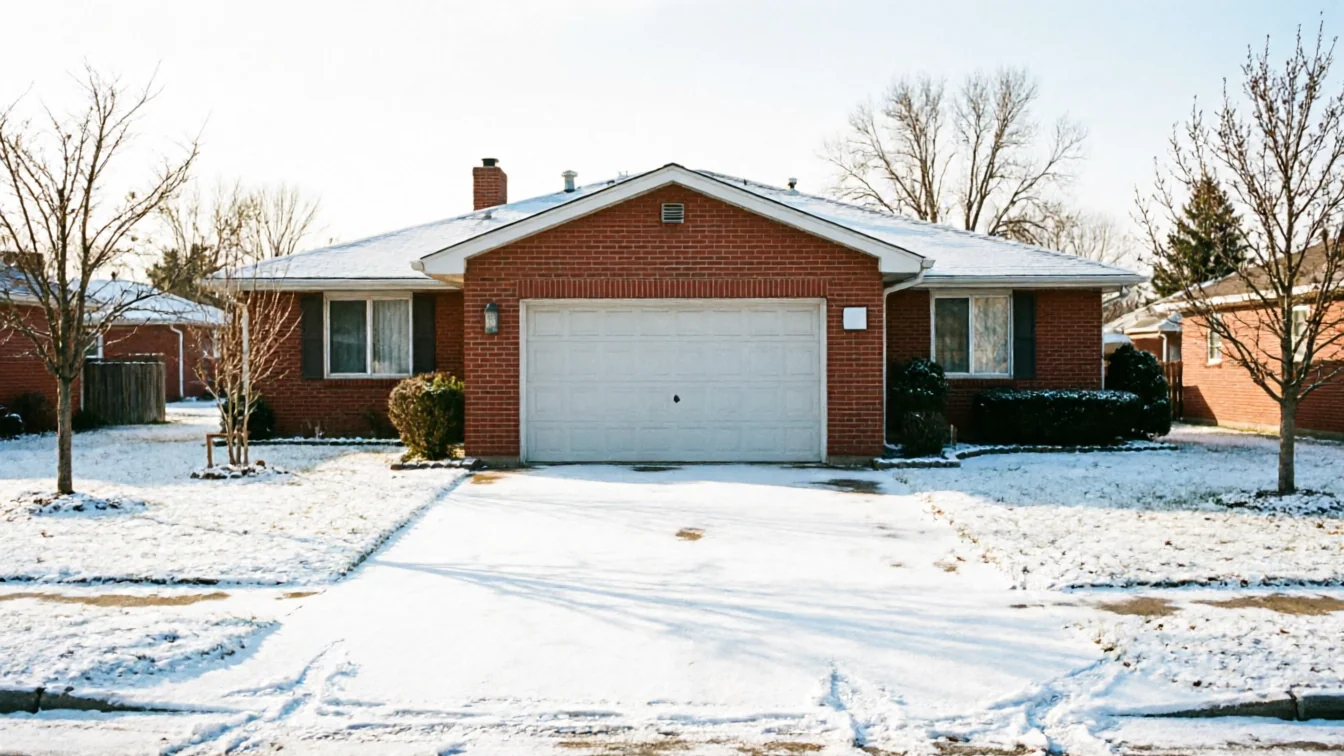
Wentzville's growth put a lot of similar doors on similar openers into the ground over a 30-year stretch, which means a big share of local garages are carrying hardware that's 15 to 35 years old right now. Across the wider area - Flint Hill, Foristell, Lake St. Louis, Dardenne Prairie, and the other towns within a short drive - the housing pattern repeats: 1980s and 90s subdivisions with doors nobody's touched since the final walkthrough.
That's not a crisis, but it is a pattern worth naming. A spring rated for a certain number of cycles doesn't care how well-built the house is around it. It wears the same whether the door is in a starter home or a place that sold for twice the median. With median household income in the area at $113,621, most owners here aren't trying to stretch a repair past its usefulness - the issue is usually that nobody's looked at the door since move-in, not that anyone's cutting corners.
What we find
Leaving It Alone
A door that's hard to lift, or an opener that strains, doesn't fix itself by waiting. Left alone, a weakening spring puts more load on the opener's gears and the drive mechanism every single cycle, and that's a more expensive failure than the spring itself. Cables fray under uneven tension. Rollers that have gone dry start chewing at the track, which eventually means replacing track sections instead of just the rollers.
Here's the honest limitation: if a spring has already failed and the door is stuck down, don't try to force it open with the opener or by hand-cranking the emergency release repeatedly. That can bend the track or snap a cable that's already under strain. It's also not a job we can always get to same-day if parts for an older, discontinued opener model aren't on the truck - some of the openers from the late 90s build wave use parts that aren't stocked the way current models are, and that can mean a short wait on a specific part rather than a same-visit fix.
How we work
What Local Conditions Do
The climate here sits in a cold-moderate band, which means winter cold snaps are routine, not rare. Steel contracts in the cold, and a torsion spring that's already fatigued is more likely to let go on a cold morning than a mild afternoon - when a spring goes in cold weather, it tends to go without much warning. Lubricant that's fine in summer also thickens up in the cold, which is part of why a door that worked fine in October can suddenly feel heavy in January even though nothing else changed.
This isn't about one freak storm. It's the ordinary cycle of a cold-moderate climate working on hardware that, across the bulk of local houses, is somewhere in its second or third decade. None of that is cause for alarm, but it's the reason a seasonal check before the first hard freeze catches more problems than a repair call after the door's already stuck.
Questions
Common questions
How old does my garage door hardware probably is in Wentzville?
Housing in the area was mostly built between 1978 and 2011, with the median around 1998. If your house fits that range and the door's never been serviced, assume the spring and rollers are original and due for a look, especially heading into winter.
Why does my door get harder to open in winter?
Cold temperatures stiffen lubricant and contract steel components, including torsion springs. In this area's cold-moderate climate, that seasonal swing is routine, and a spring that's already fatigued is more likely to fail on a cold morning than any other time.
Can I replace a torsion spring myself?
No. A torsion spring is under heavy tension and the tools to wind and unwind it safely take practice most homeowners don't have. Lubricating hinges or tightening visible bolts is fine; spring work is a call, not a weekend project.
Recommendation
You Might Also Like
More garage door guides for Wentzville homeowners.
When a Wentzville Garage Door Needs More Than a Quick Fix
Most Wentzville garage doors date to the 1978-2011 building boom, with builder-grade springs and openers that wear out fast in Missouri's cold winters.
 Why Your Garage Door Jumps the Track in Wentzville
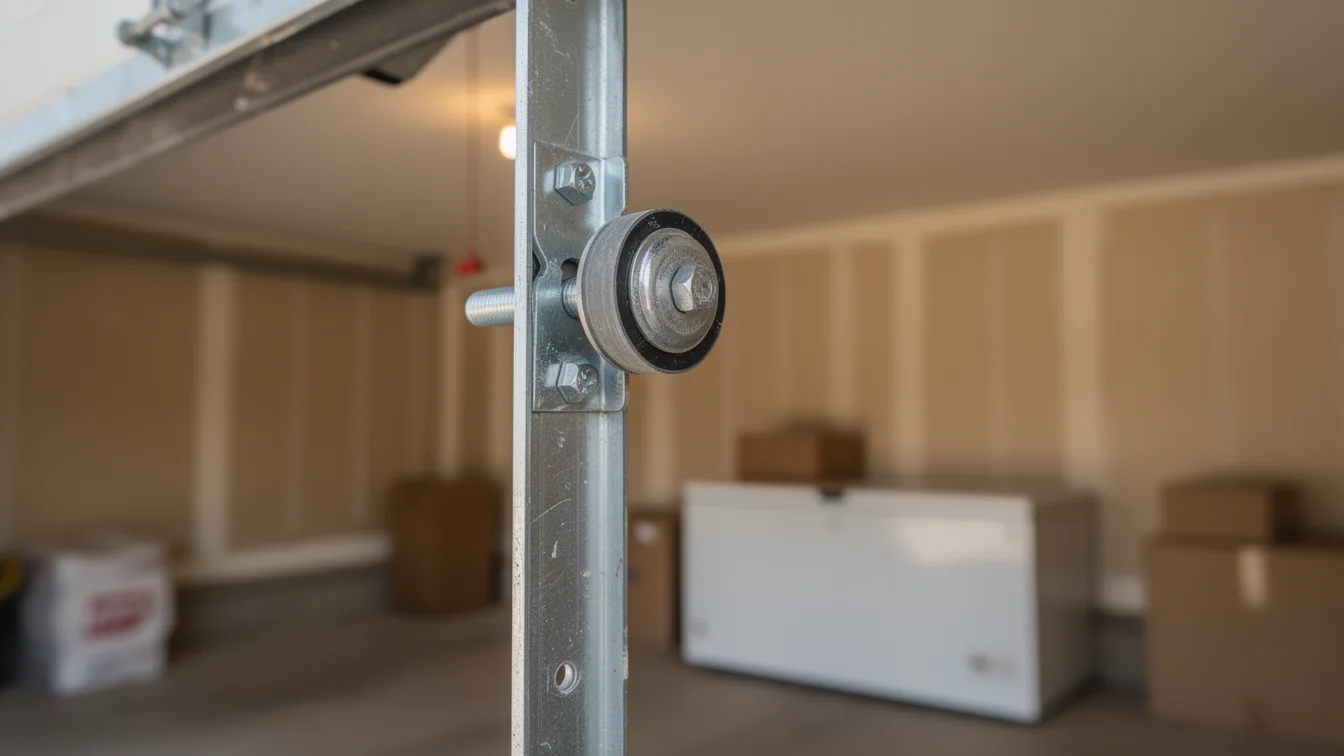
A look at why garage doors in Wentzville slip off track, tied to the area's 1980s-90s housing stock and cold-moderate winters, from Wentzville Garage Door Pros.
 Openers, Power Cuts, and Wentzville's Housing Stock
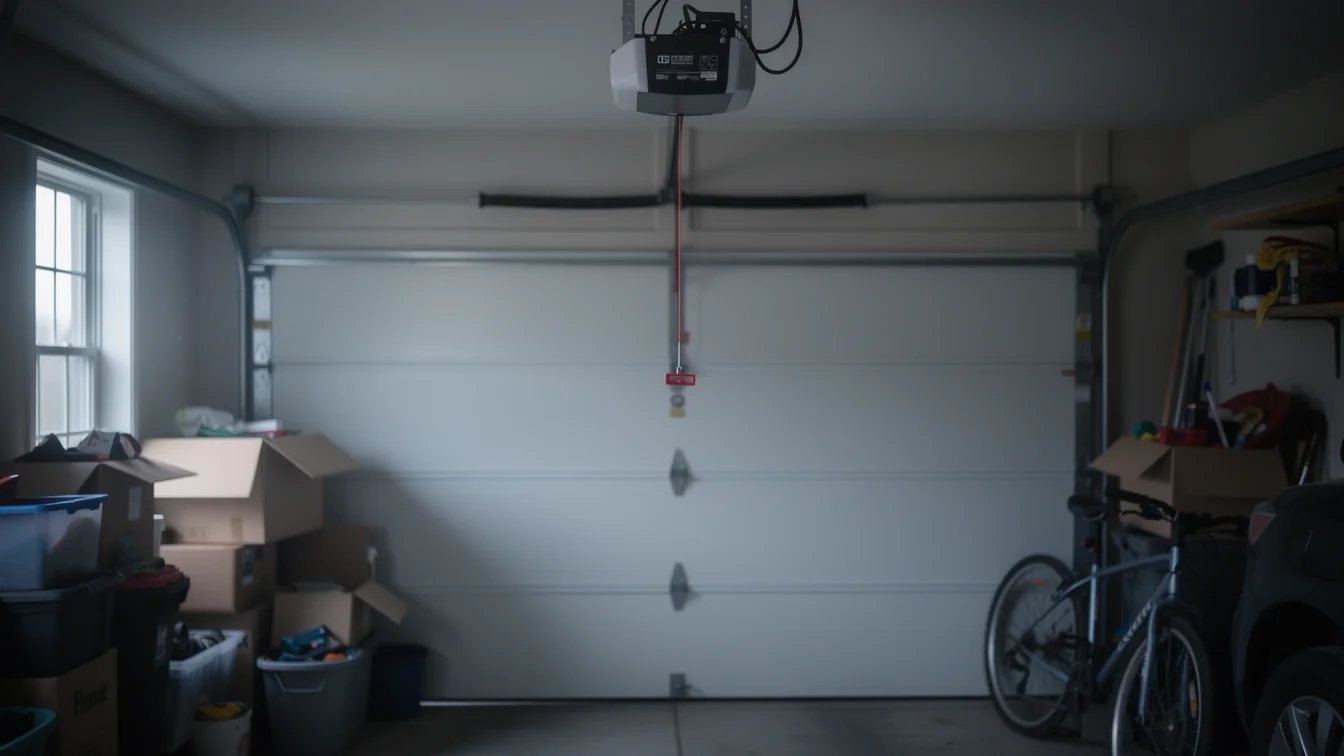
Wentzville homes built mostly between 1978 and 2011 carry openers that struggle with winter power cuts.
Ready when you are
Need a garage door sorted in Wentzville?
Wentzville Garage Door Pros repairs and installs garage doors, springs and openers in Wentzville, MO and the surrounding area.