Washington, Wentzville
Garage Door Repair for Washington's Older Housing Stock
Washington, MO repair pricing starts from a lower median income than the rest of the service area, and the town's 1978-era housing means older hardware. Here's what that changes.
What the Fix Involves
Washington sits at a median household income of $78,510, well under the $113,621 median for the rest of the service area we cover out of Wentzville.
Repair-or-replace income line
That number matters before a tech even opens a toolbox, because it sets where the repair-or-replace line falls. On a $113,621 income, swapping a worn opener for a new one is an easy call. On $78,510, that same call gets weighed harder, and a straight repair - new rollers, a cable splice, a bent track pulled back into line - carries more weight relative to the household budget.
Diagnosis before parts
Most jobs here start as a diagnosis: is this a $200 part or a $900 door. We tell you which one it actually is before we touch anything, and if a repair buys you five more years on a door that's otherwise sound, we say so.
Common jobs vary by town
The work itself - spring swap, cable replacement, roller and hinge service, track alignment - is standard mechanical work. What differs town to town is which of those jobs is the common one, and in Washington that's driven by how old the housing stock actually is.
The Complications
Washington's housing runs closer to 1978 built, the early edge of the 1978-2011 range across the wider service area, whose median lands at 1998 - two decades newer.
Older hardware generation gap
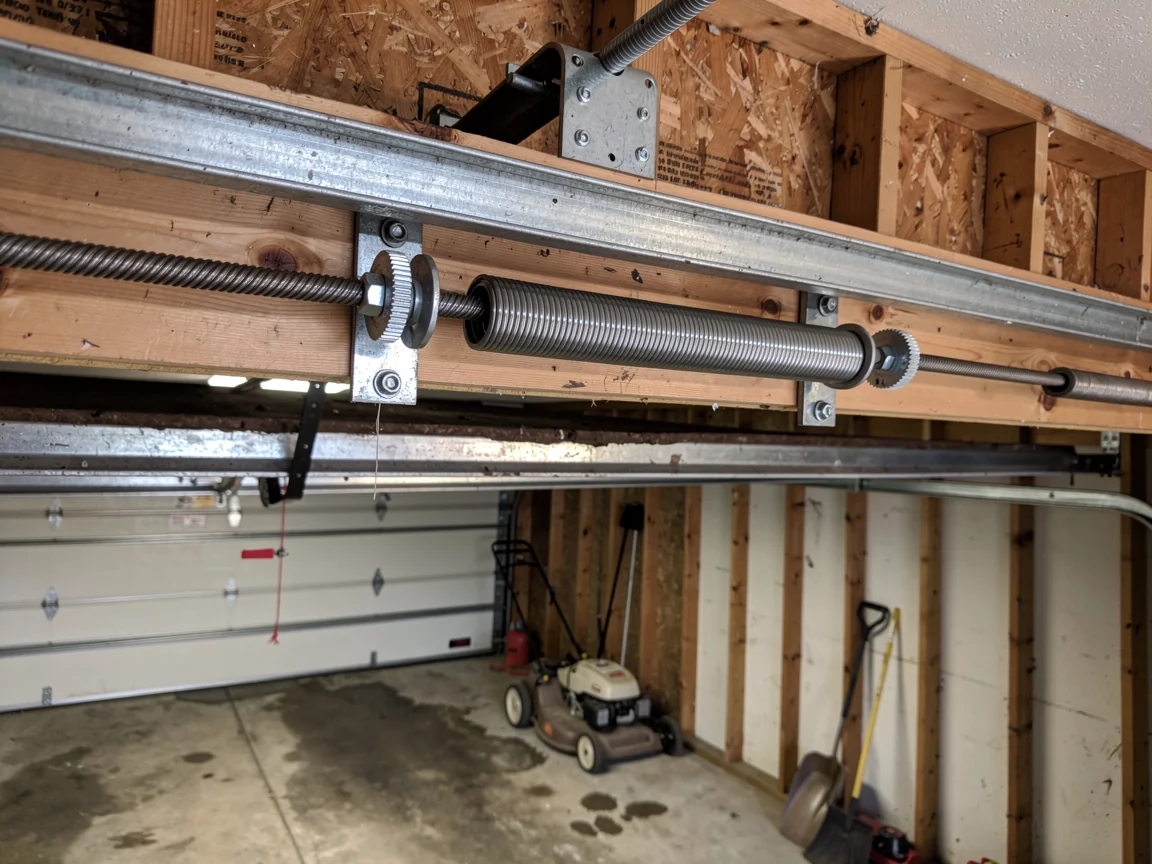
That gap means a lot of doors and openers here are original or close to it, running hardware two design generations behind what a tech installs today. Torsion springs sized for a lighter, older-style door don't always match the heavier insulated panel someone bolted on in a later upgrade.
Chain-drive sprocket and rail
Chain-drive openers from that era use a sprocket and rail setup that doesn't share parts with current belt-drive units, so a motor failure often means a full opener swap rather than a quick board replacement.
Past mismatched repairs
We also see mismatched replacement parts from past repairs - a cable or drum swapped at some point with hardware that's close enough but not correct, which shows up as a wobble or uneven pull years later. None of this is unusual for a house from that era. It just means a repair here starts with figuring out what's actually installed before pricing anything.
How It Shows Up
The climate band here is cold-moderate, and that shows up less in dramatic failures than in slow wear: grease in an old torsion spring stiffens in winter, cables with a little rust start to fray at the drum, and a door that was fine in October starts sticking or dropping unevenly by January.
Single thick spring fails
On a 1978-era door, you're also more likely to see a single thick torsion spring instead of the paired setup common on newer doors - when that one spring goes, the door won't lift at all, not just struggle.
No auto-reverse on older openers
Openers from that period often lack any auto-reverse sensor retrofit, so a door that doesn't stop on an obstruction isn't a wiring glitch, it's original equipment doing exactly what it was built to do, which is itself worth flagging during a repair call.
Scraping from flexing brackets
Track misalignment tends to show up as a scraping sound on one side rather than a full jam, because older track brackets flex more than the galvanized steel used now.
What It Costs
We don't publish flat prices here because the range depends entirely on what's wrong and what's installed, and on a 1978-built house that's rarely a simple one-part fix. What we can say is that the income gap between Washington and the rest of the service area ($78,510 versus $113,621) is the reason we walk through repair-versus-replace math on every call instead of defaulting to a new unit. A torsion spring swap, a cable repair, or a roller and track service are each priced as their own job, not bundled into a package. If a door needs more than two of those at once, replacement usually costs less over five years than stacking repairs on 45-year-old hardware - that's a judgment call we make with you, not for you, and it's one honest tradeoff worth knowing going in.
Why This Fails Locally
A generic garage door page would tell you Washington gets cold winters and leave it there. The real issue is narrower: this is a town where the housing sits right at the older edge of the service area's build range, median income runs well under the area average, and the door hardware installed in 1978 doesn't share parts with what's sold today. That combination means jobs here lean toward careful repair rather than automatic replacement, and toward parts sourcing that accounts for mismatched hardware from past fixes. We travel the 20 miles from Wentzville for calls in Washington; we don't keep a branch or stock here, so a job needing an uncommon part may take a return trip rather than a same-visit fix. That's the one limitation worth saying plainly instead of promising something we can't back up.
Questions
Common questions
Is it worth repairing a garage door this old instead of replacing it?
Often, yes. A 1978-era door with a single failed part - a spring, a cable, a roller set - is usually cheaper to repair than replace, especially given the income range typical in Washington. It stops making sense once you're stacking three or four separate repairs on the same door within a year or two; at that point a new door usually costs less over time.
Why don't new opener parts fit my old opener?
Chain-drive openers common on houses built around 1978 use a sprocket-and-rail design that current belt-drive and screw-drive units don't share. A failed circuit board on an old opener often means replacing the whole unit rather than swapping a part, since the matching board usually isn't made anymore.
Do you keep a truck stationed in Washington?
No. We work out of Wentzville, about 20 miles away, and cover Washington as part of the wider service area. We don't promise a set response time for this town since we're traveling in, but we do price the job the same way we would anywhere else we cover.
Why does my old door not reverse when something's in the way?
If your opener dates to the original install on a 1978-built house, it may predate the auto-reverse safety sensors required on newer units. That's not a malfunction, it's the original design. We'll flag it during any repair call since it's worth knowing about even if it's not the reason you called.
Explore more
More Services in Washington
Cable Repair
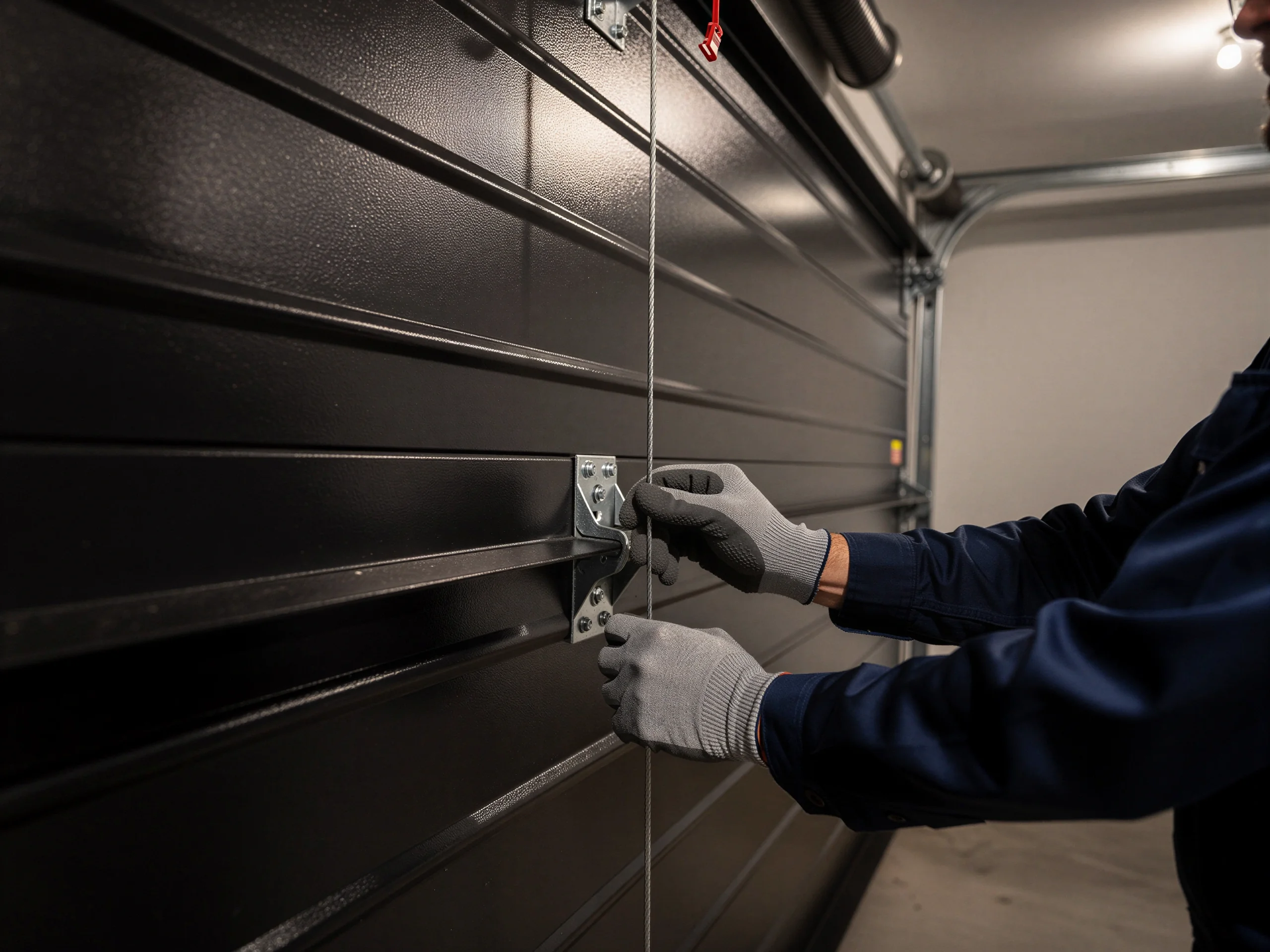
Washington homes median to 1978 still run original lift cables on torsion hardware decades past rated life. Learn more →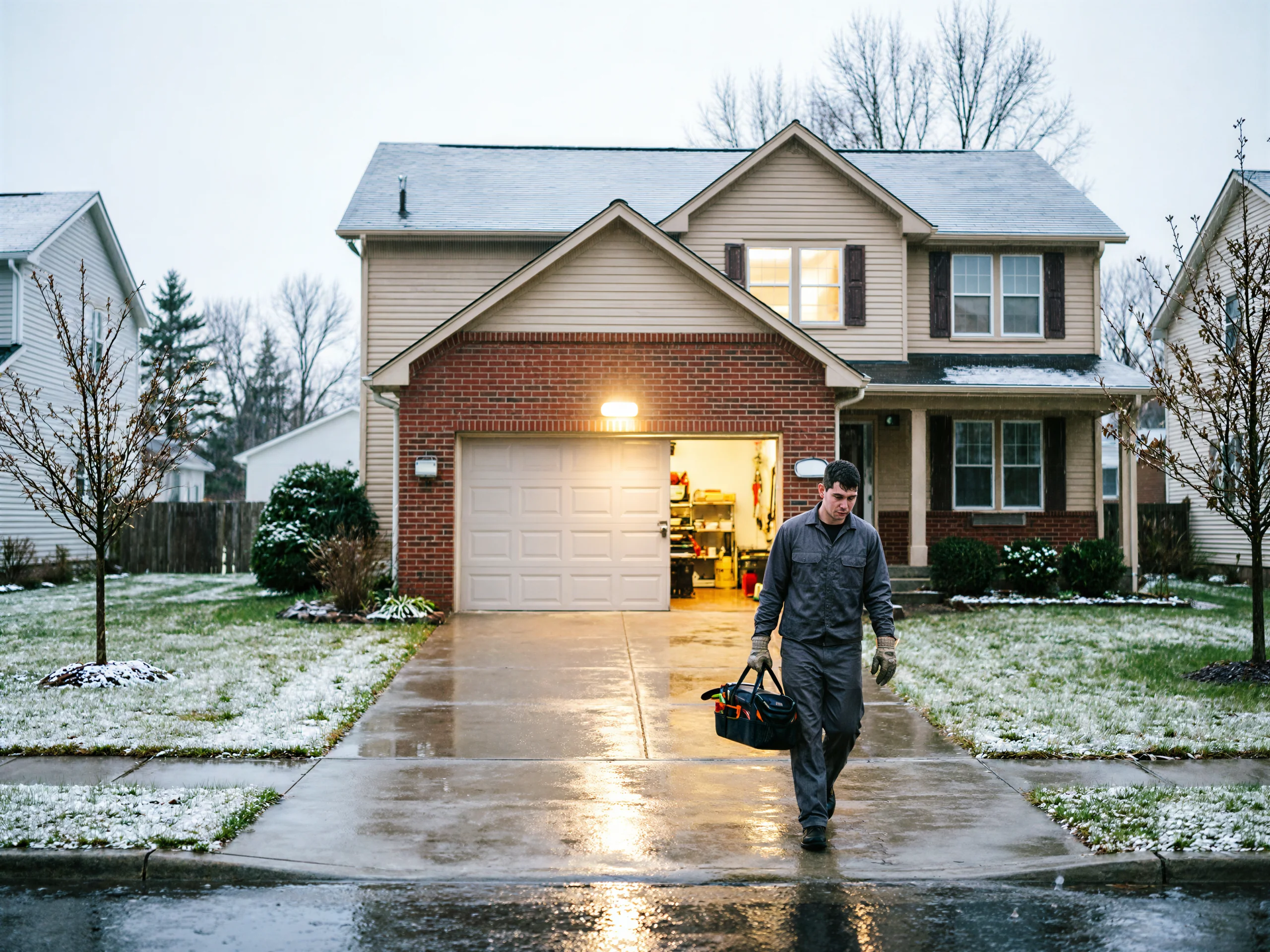
Emergency Garage Door
Washington's garage doors date to around 1978 - older steel panels, extension springs, narrower tracks. Learn more →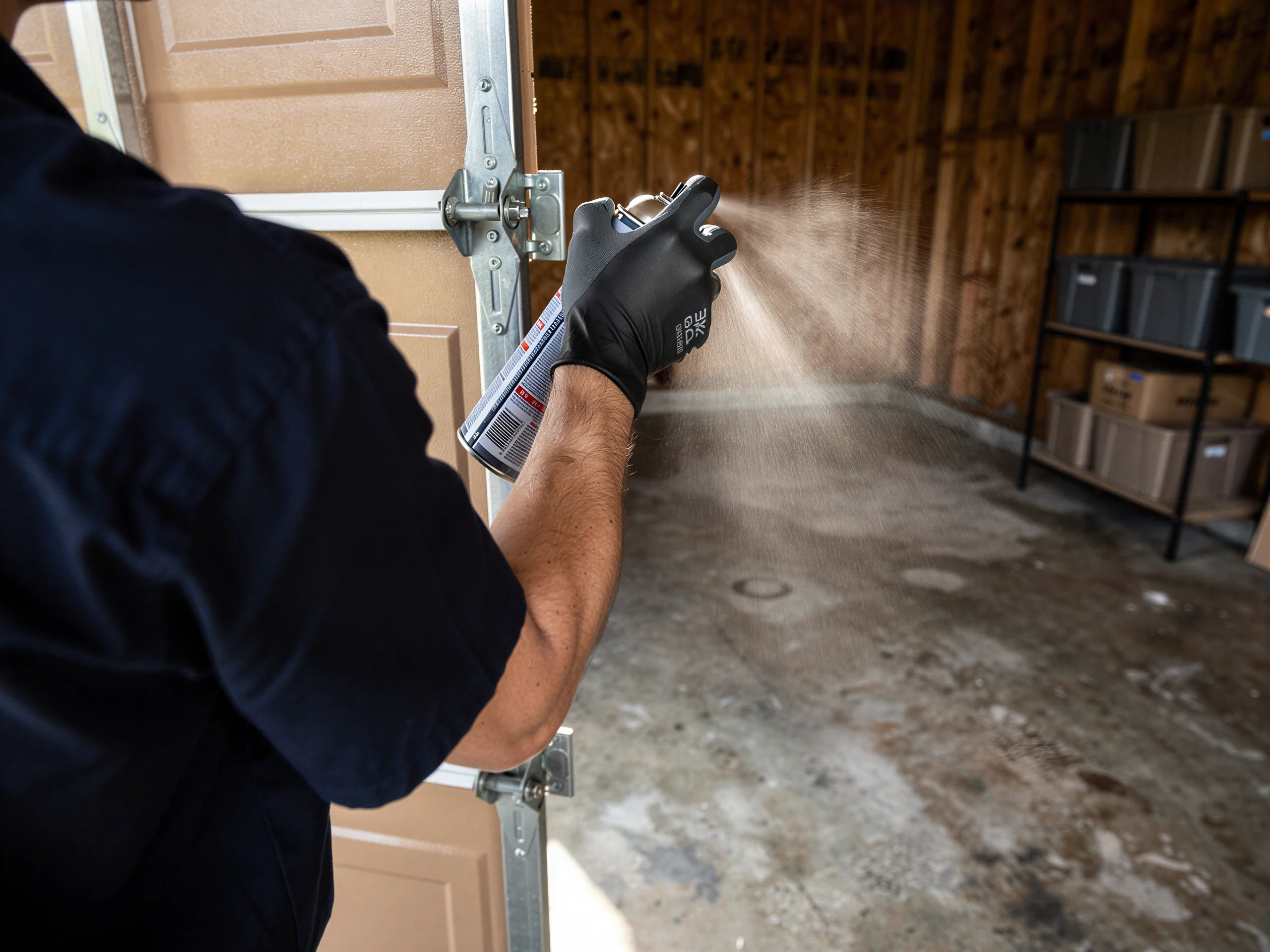
Garage Door Service
Washington, MO homes skew older than the rest of our service area, built around 1978. Learn more →
Maintenance
Washington's housing stock runs older than most of the Wentzville service area, which means different hardware and different wear. Learn more →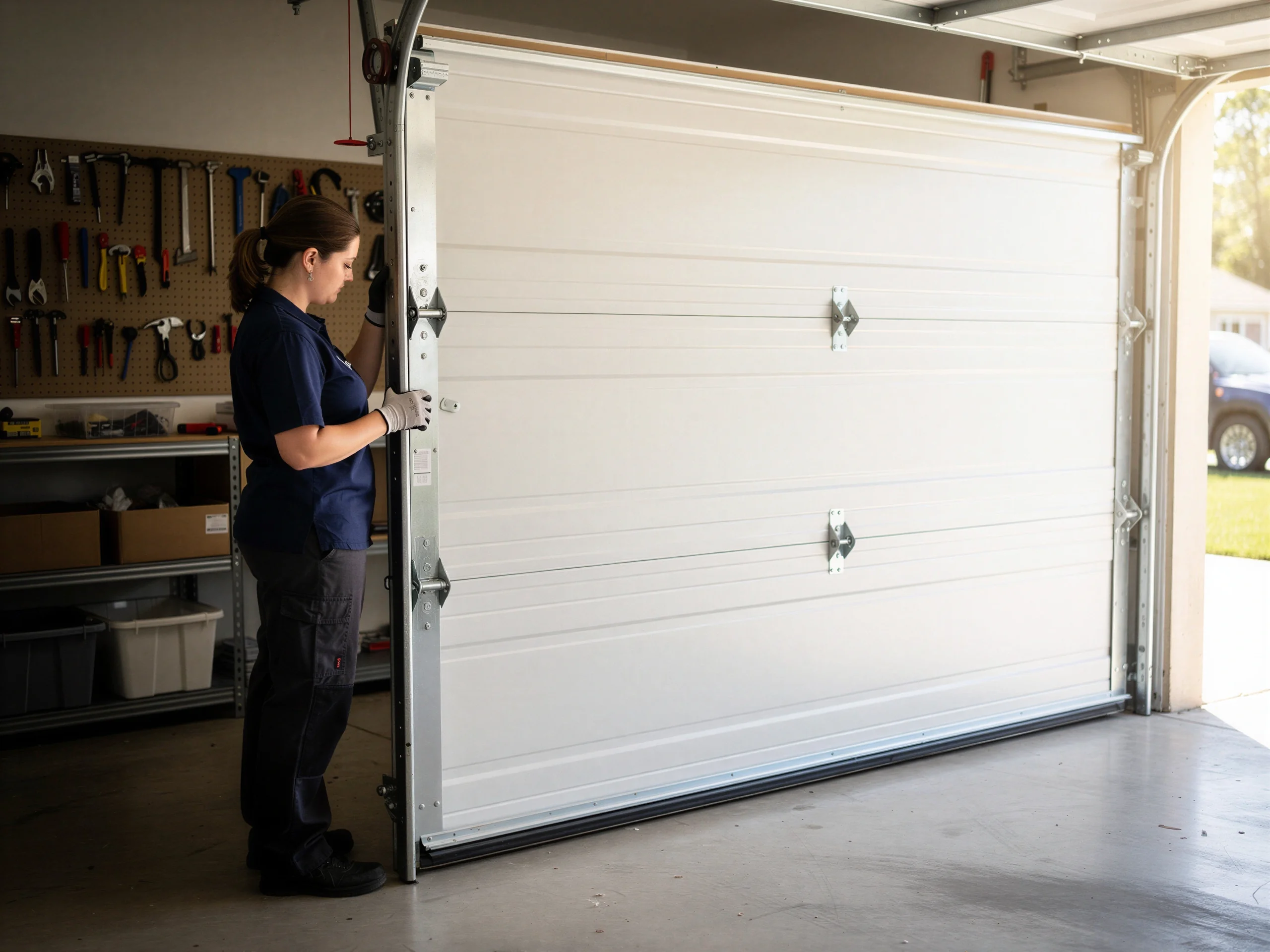
New Door Installation
Washington homes median to 1978, older than the territory average. Learn more →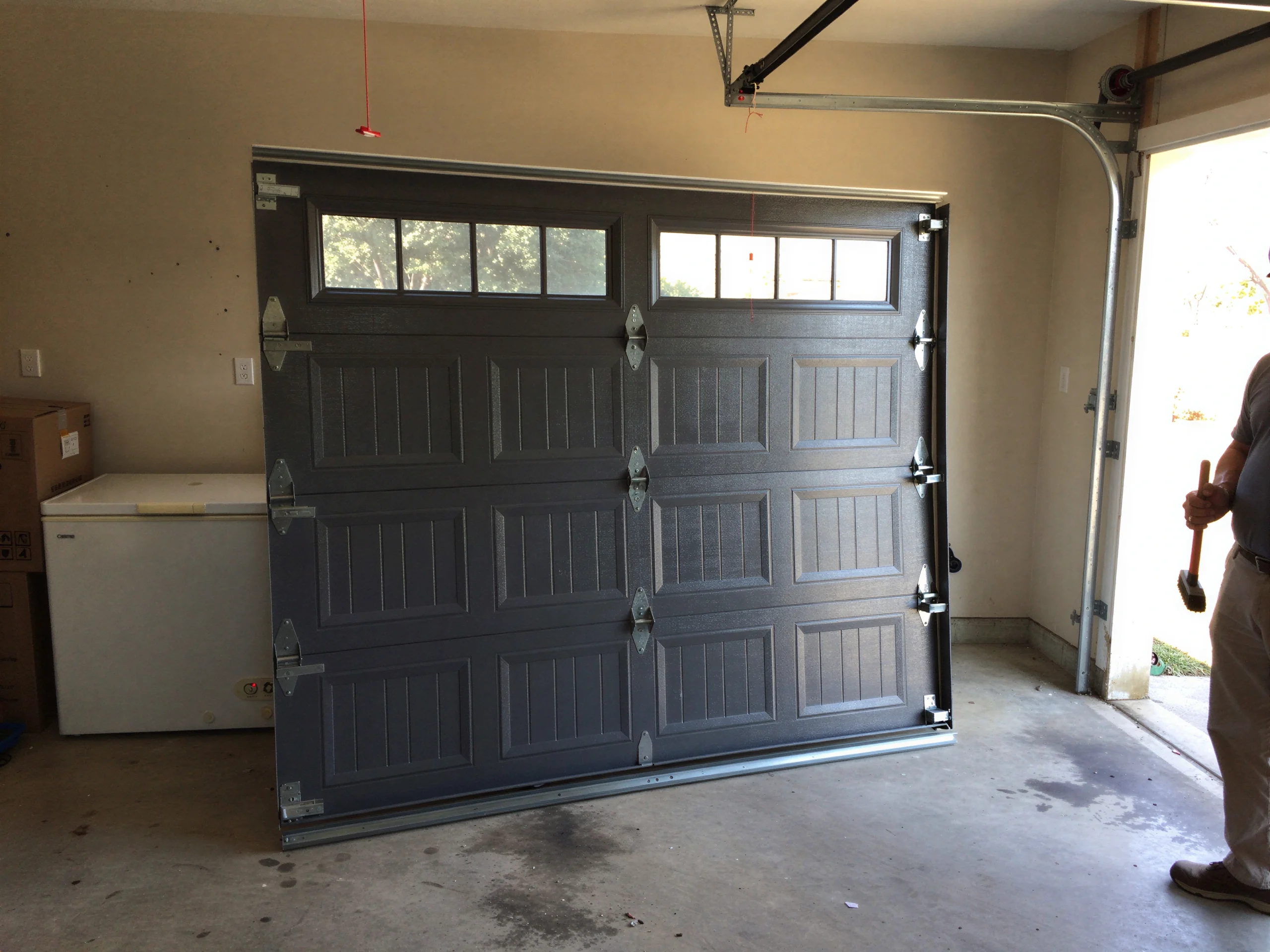
Off Track Repair
Washington homes run older than the area median, and the drive out is our longest. Learn more →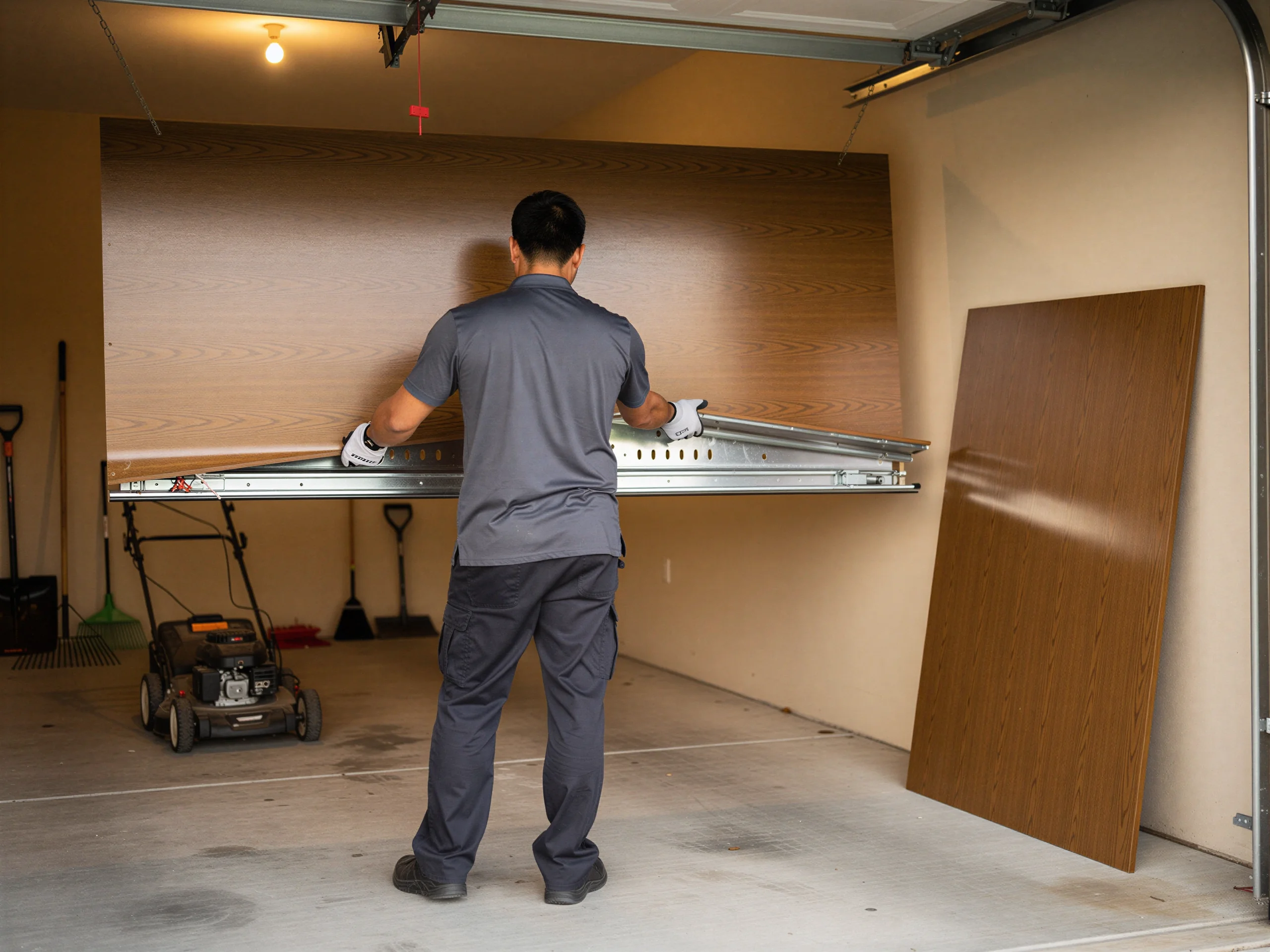
Panel Replacement
Washington, MO has roughly 6,336 households and houses built around 1978 on average - older hardware that changes how panel replacement gets quoted and done. Learn more →Ready when you are
Garage door trouble in Washington?
Wentzville Garage Door Pros repairs and installs garage doors, springs and openers in Wentzville, MO and the surrounding area.