Washington, Wentzville
New Garage Door Installation for Washington's Older Housing Stock
Washington homes median to 1978, older than the territory average. See what that means for door sizing, springs, and install lead time from our Wentzville crew.
What the Fix Involves
Washington's median home was built in 1978, a full two decades ahead of the 1998 median across the rest of our territory. That gap matters more than it sounds.
Extension spring single-layer door
A door built for a 1978 opening is usually a single-layer steel panel hung on extension springs mounted along the horizontal track, not the torsion bar setup that's been standard since the 1990s. When we install new here, we're rarely doing a straight swap - we're converting the whole system: torsion shaft, new track, a cable drum setup that matches the new spring tension, and an opener bracket that fits a frame that was never built to hold one.
Measure on site
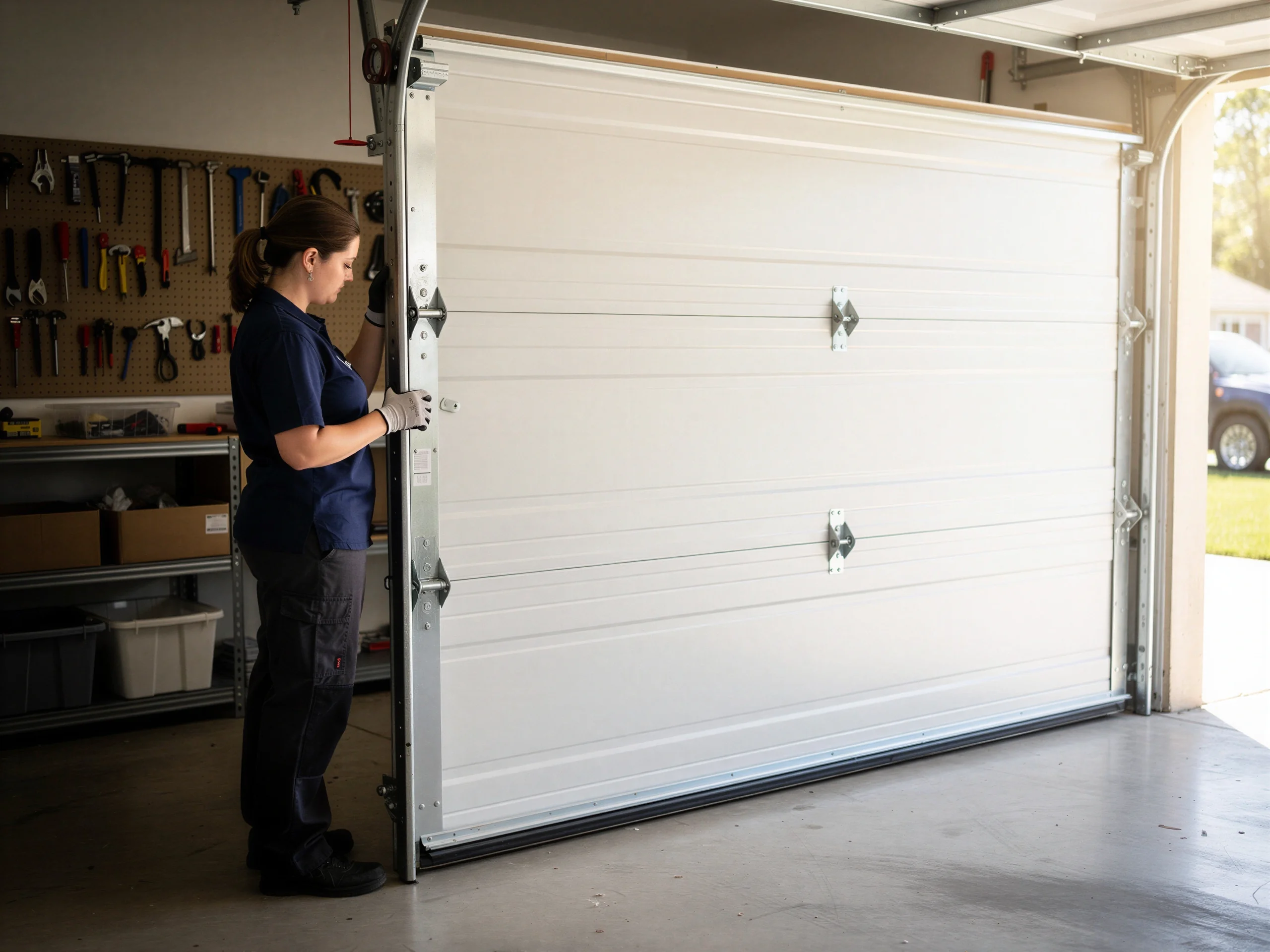
The door itself usually needs to be measured on site rather than assumed from a catalog size, because framing settles over 45+ years and openings drift out of square by a half-inch or more.
Header and side clearance
We check header clearance and side room before we price anything, since older garages in this part of the territory were framed before today's minimum clearance standards existed. None of this is unusual work for us, but it's a different job than installing in a house built in 1998, and we price it that way.
The Complications
The territory sits in a cold-moderate climate band, which means code and comfort both push toward insulated doors with a sealed bottom astragal - but a 1978 opening wasn't built with that in mind.
Jamb depth limits
Older jambs often lack the depth for a thicker insulated panel without added jamb extension, and the header may not clear a standard torsion spring without trimming or re-framing. We also run into non-square openings more often here than in newer construction.
Out-of-plumb weather seal
A door that's plumb on one side and off by three-quarters of an inch on the other won't seal against weather the way it should, no matter how good the door is. That means shimming, sometimes re-squaring the track mount, before the door goes in at all.
Framing repair out of scope
One limit worth saying plainly: if the framing is rotted or has shifted enough that it needs carpentry, that's outside what we do on an install day. We'll flag it before we start rather than force a door into an opening that isn't ready for it, and point you to get that framing work done first.
How It Shows Up
On a lot of Washington's older houses, the tell is a door that's heavy to lift by hand and loud going up - a sign of an extension-spring system doing more work than it should, often because the springs were replaced at some point with the wrong weight for the door.
Bottom corner gaps
Another common sign: a visible gap at the bottom corners even when the door's fully down, because the slab has warped slightly over four decades or the track was never adjusted to match.
No thermal break cold
Some owners notice the garage runs noticeably colder than the rest of the house in winter - not surprising, since a 1978 door built before insulation was standard is just a steel sheet with no thermal break.
Dents push toward replacement
That's a comfort issue as much as an energy one, and it's one of the more common reasons we get a new-install call here rather than a repair call: once the panel's uninsulated and dented from decades of use, patching it doesn't solve what the owner's actually unhappy about.
What It Costs
We don't publish a flat number because the conversion work described above - new track, new spring system, jamb or header adjustment - varies by how far out of spec the existing opening is, and we won't quote it sight unseen. What we can say is that Washington's median household income, $78,510, runs well below the broader territory's $113,621, and that shapes which doors we end up recommending most often here: solid mid-tier insulated steel rather than premium composite or custom wood-look lines, since the conversion costs already add up before the door itself is picked.
We'll give you options at more than one price point on every quote, and we'll tell you plainly when a cheaper door makes more sense than a pricier one for a garage that isn't climate-controlled anyway. That's not a sales pitch - it's just where most jobs here land once the numbers are on the table.
Why This Fails Locally
A generic install quote built around newer housing stock doesn't hold up on a 1978 Washington garage, and that's the actual risk of assuming all our jobs look alike. The conversion from extension spring to torsion, the jamb depth for an insulated panel, the re-squaring of a 45-year-old opening - skip any of it and the new door either won't seal right or won't last the way it should.
There's also a plain logistics point. Washington sits about 20 miles from our Wentzville shop, and with roughly 6,336 households in town, custom-width or special-order doors don't move through our schedule as fast as standard sizes do in denser parts of the territory. We build that lead time into the quote up front rather than let it surprise you on install day. If you need something off a shelf in a hurry, we'll tell you that honestly too - sometimes the standard size is the better call, not just the faster one.
Questions
Common questions
Why does my 1970s garage door need more than a straight swap?
Because houses built around 1978 in Washington were usually framed for an extension-spring door, not the torsion system that's standard now. Installing new typically means changing the track, spring hardware, and sometimes the header mount, not just hanging a new panel on the old setup.
Will a new insulated door actually fit my older opening?
Often yes, but we check jamb depth and header clearance first. Older framing sometimes needs a jamb extension to hold a thicker insulated panel properly, and we'll tell you that before we quote the job, not after.
How long does an install take once I book it?
We travel from Wentzville, about 20 miles out, and custom or special-order sizes take longer to move through scheduling than standard ones. We'll give you a real timeline once we've measured the opening, not a guess over the phone.
Is it worth insulating my garage door if the garage itself isn't heated?
It still helps, mainly by cutting the temperature swing and condensation on a cold-moderate winter. It won't make an unheated garage warm, but a sealed, insulated door against a 1978 uninsulated slab is a noticeable difference in comfort.
Explore more
More Services in Washington
Cable Repair
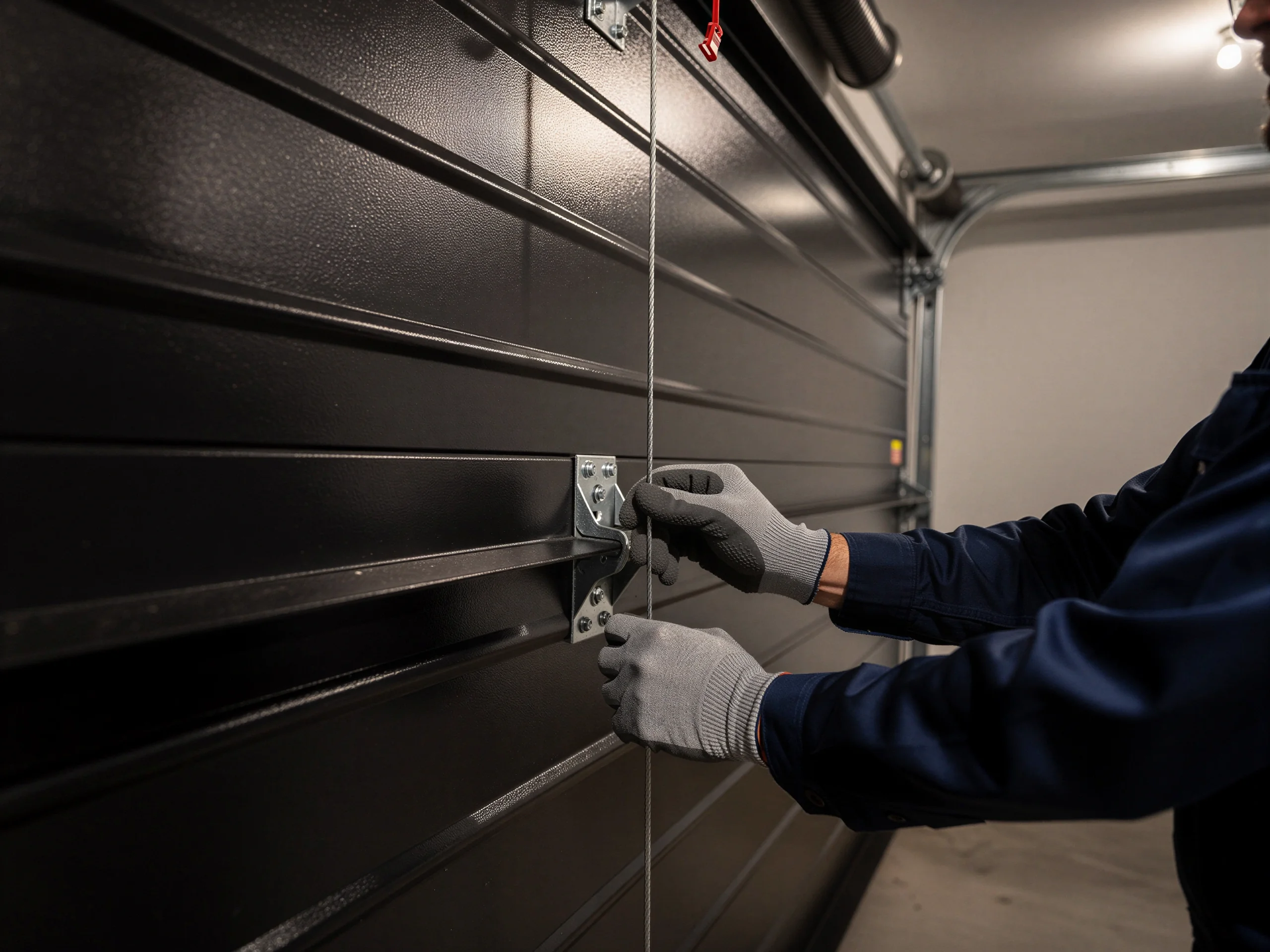
Washington homes median to 1978 still run original lift cables on torsion hardware decades past rated life. Learn more →
Emergency Garage Door
Washington's garage doors date to around 1978 - older steel panels, extension springs, narrower tracks. Learn more →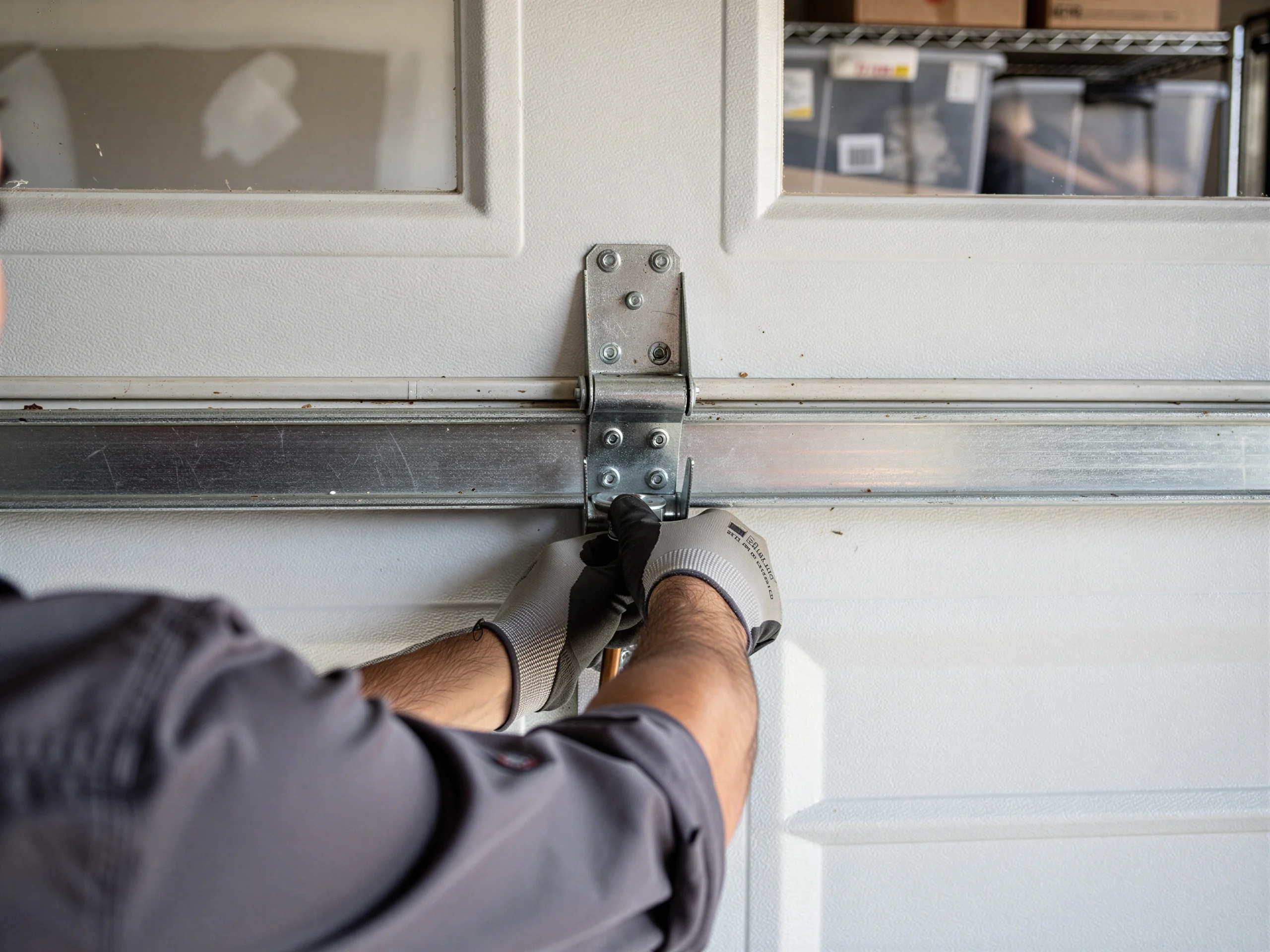
Garage Door Repair
Washington, MO repair pricing starts from a lower median income than the rest of the service area, and the town's 1978-era housing means older hardware. Learn more →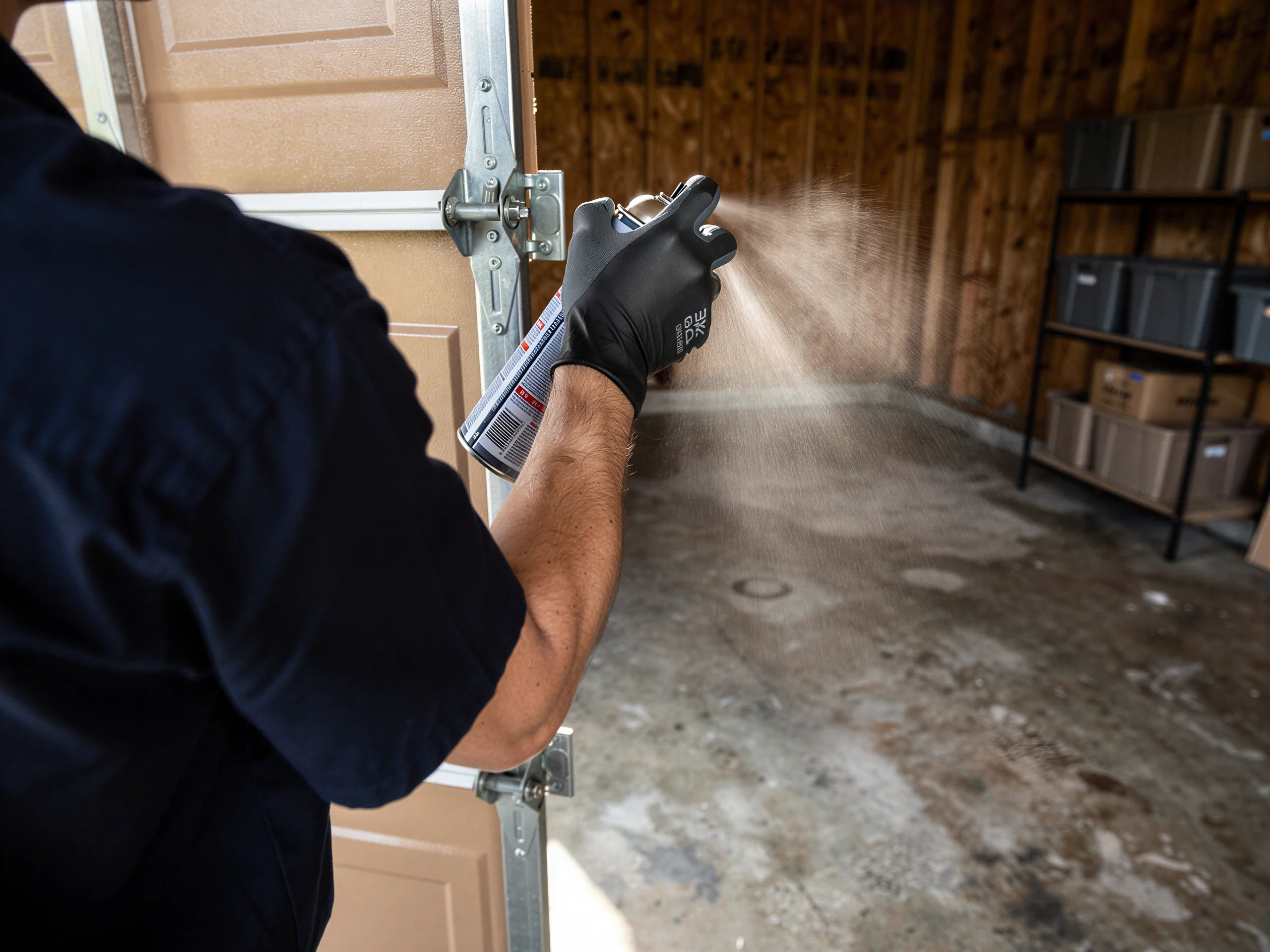
Garage Door Service
Washington, MO homes skew older than the rest of our service area, built around 1978. Learn more →
Maintenance
Washington's housing stock runs older than most of the Wentzville service area, which means different hardware and different wear. Learn more →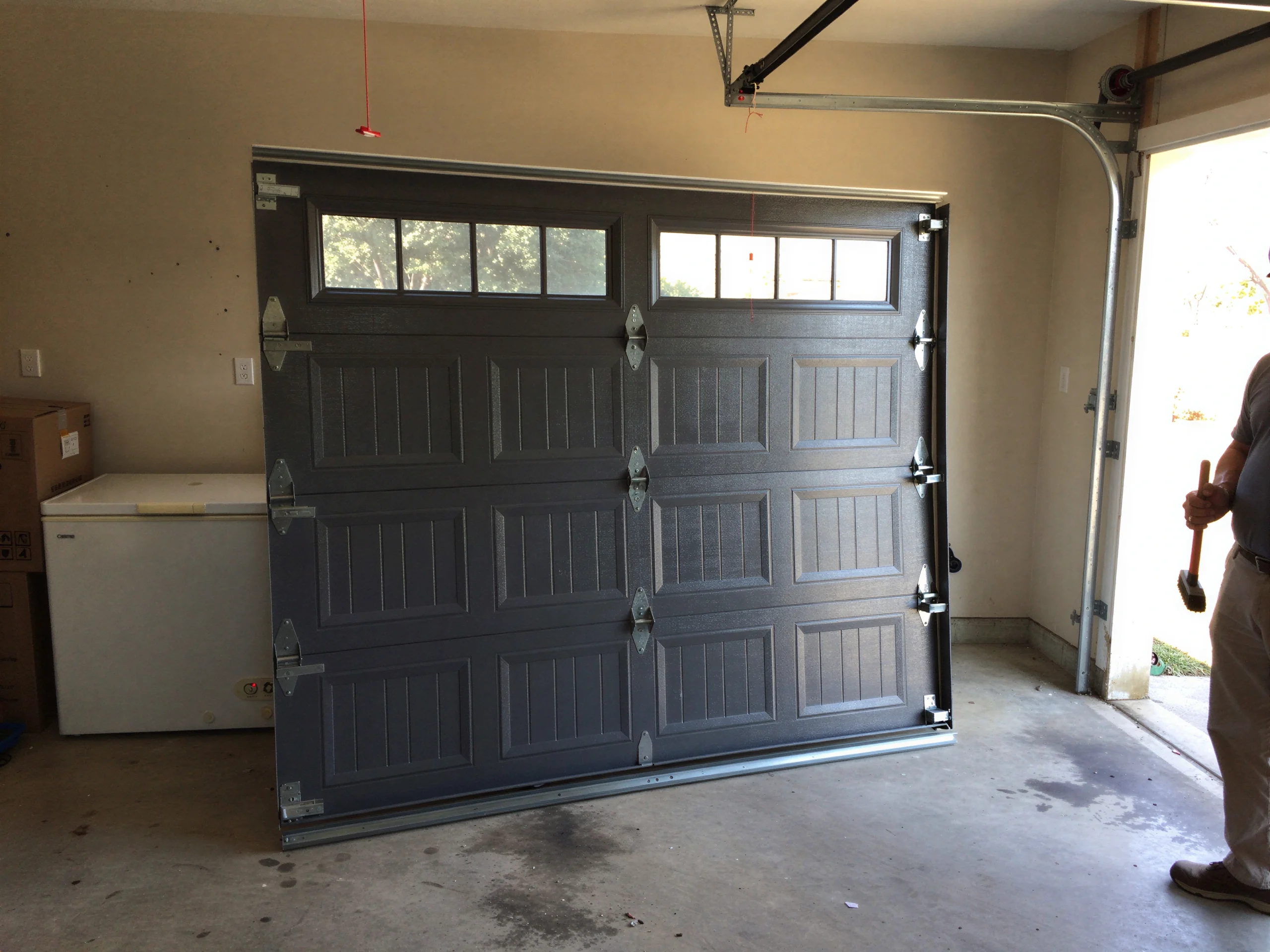
Off Track Repair
Washington homes run older than the area median, and the drive out is our longest. Learn more →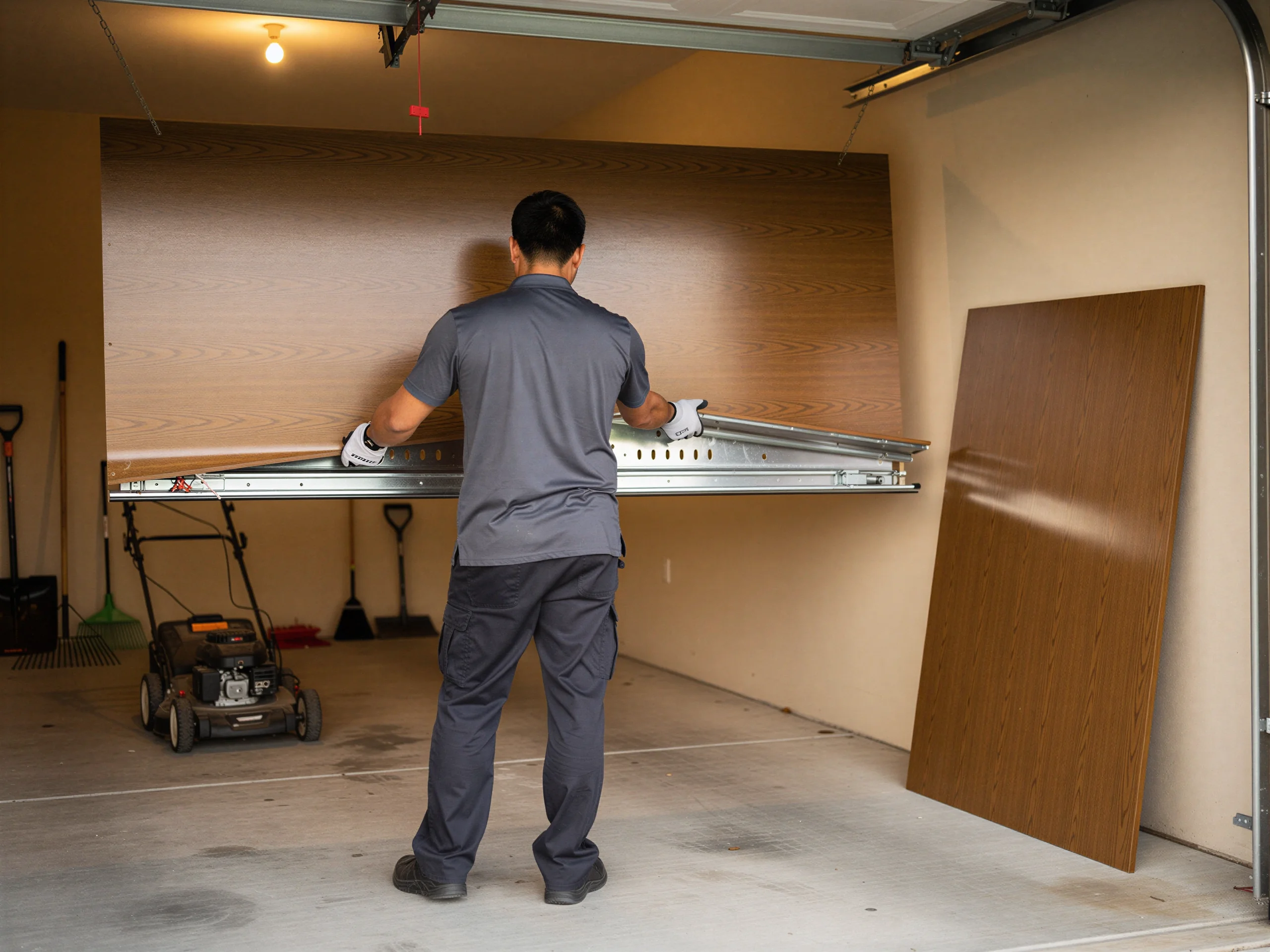
Panel Replacement
Washington, MO has roughly 6,336 households and houses built around 1978 on average - older hardware that changes how panel replacement gets quoted and done. Learn more →Ready when you are
Ready for a new garage door in Washington?
Wentzville Garage Door Pros repairs and installs garage doors, springs and openers in Wentzville, MO and the surrounding area.